Table of Contents
Features of the Gasoline Electric Hybrid Powered Zero Turn Versatile Remote Control Slasher Mower
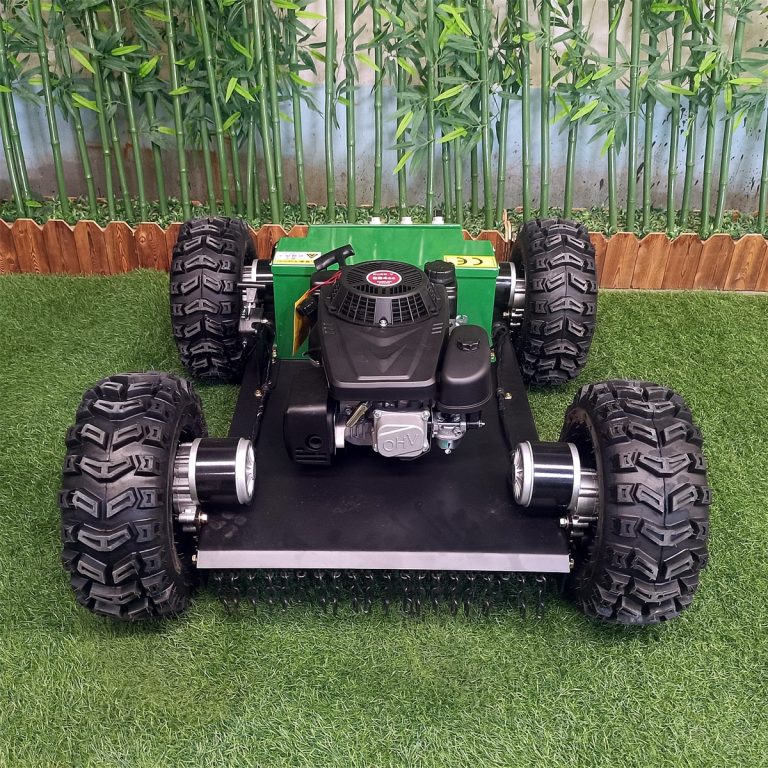
 The gasoline electric hybrid powered zero turn versatile remote control slasher mower is a remarkable machine designed for efficiency and performance. It boasts a powerful V-type twin-cylinder gasoline engine, specifically the Loncin brand model LC2V80FD. With a rated power of 18 kW at 3600 rpm, this 764cc engine provides exceptional strength and reliability for various mowing tasks.
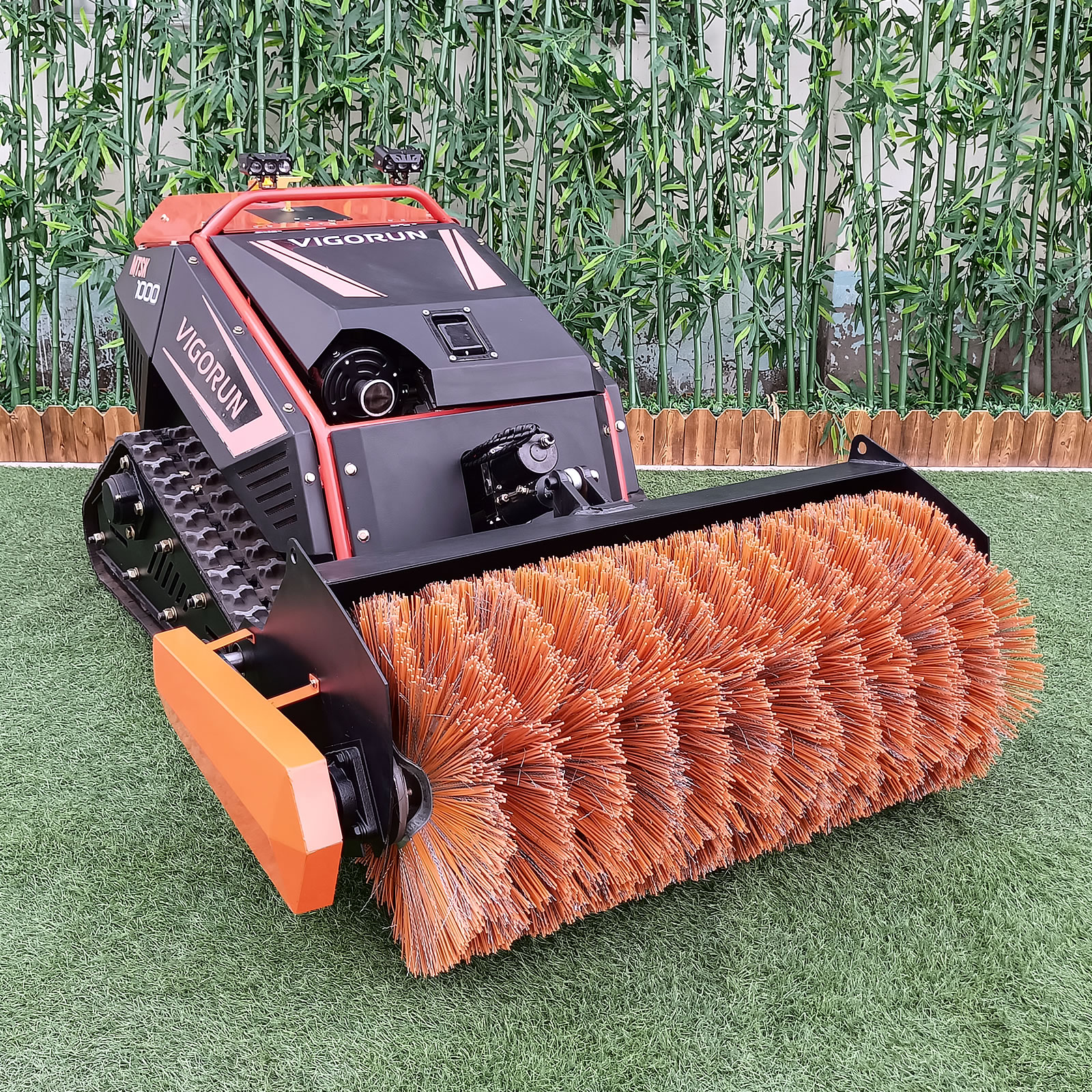 The innovative design also incorporates safety features such as a built-in self-locking function. This mechanism ensures that the mower only moves when both power is on and throttle is applied, preventing unintended sliding and enhancing operational safety significantly.
Versatility and Performance of the Mower
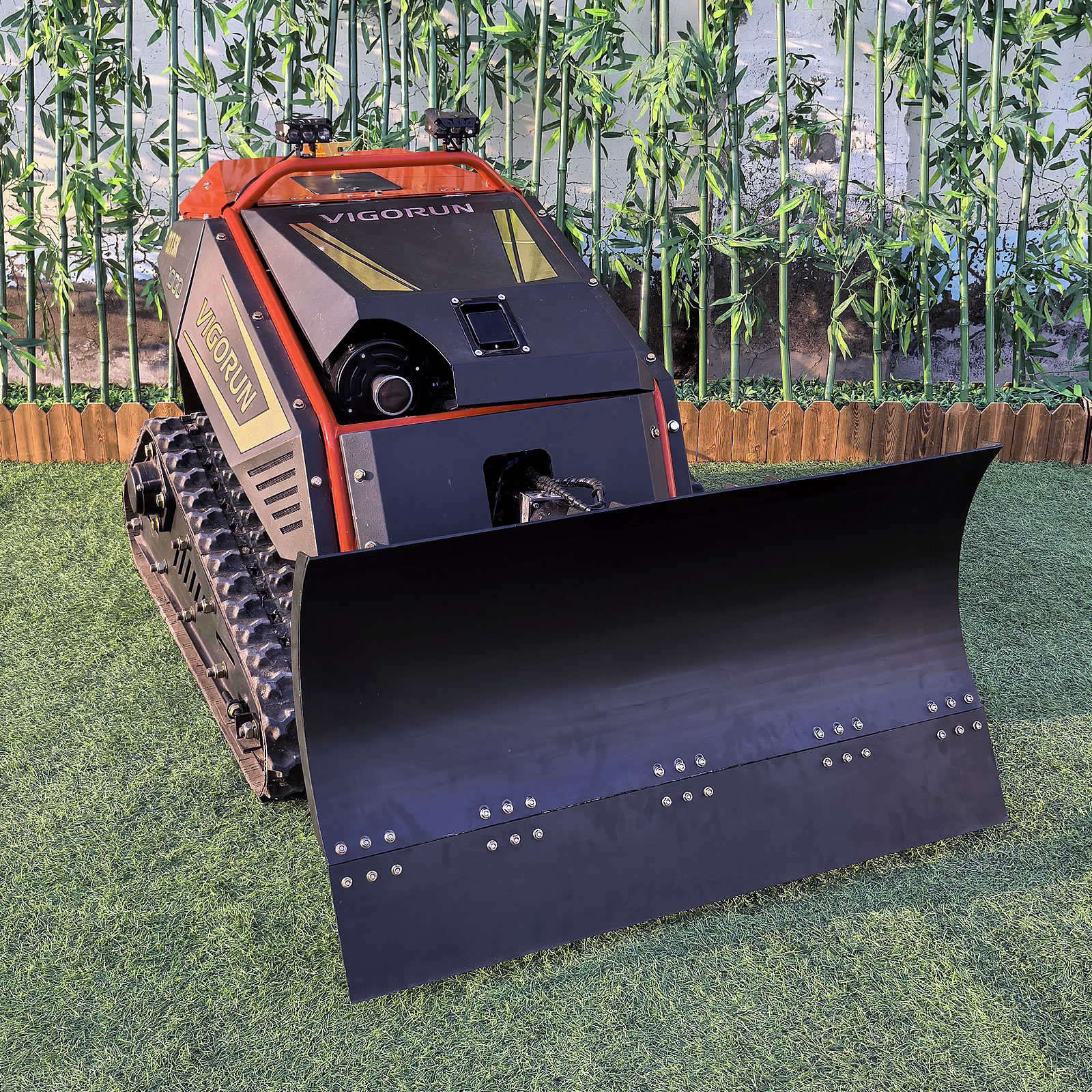
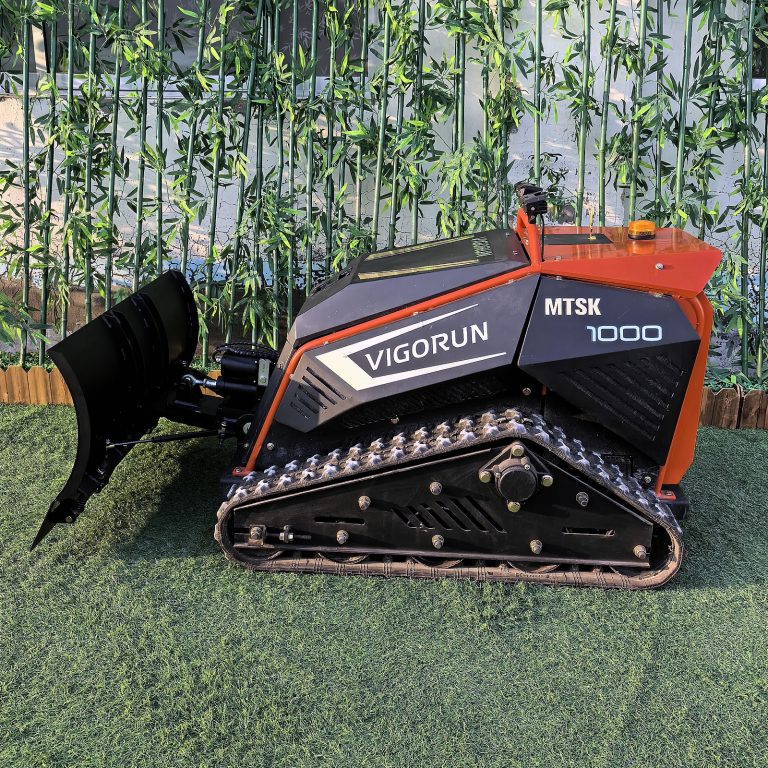
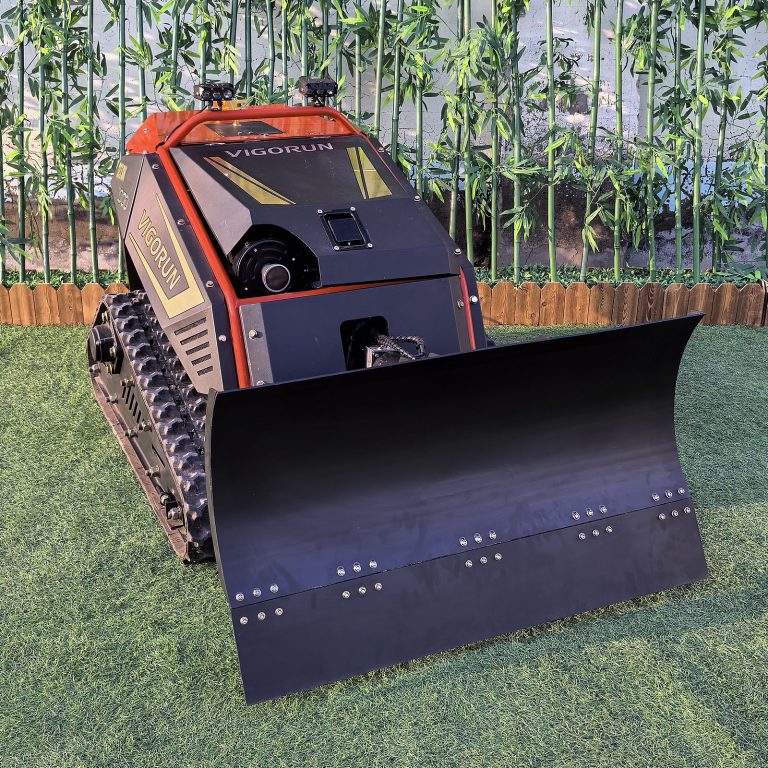
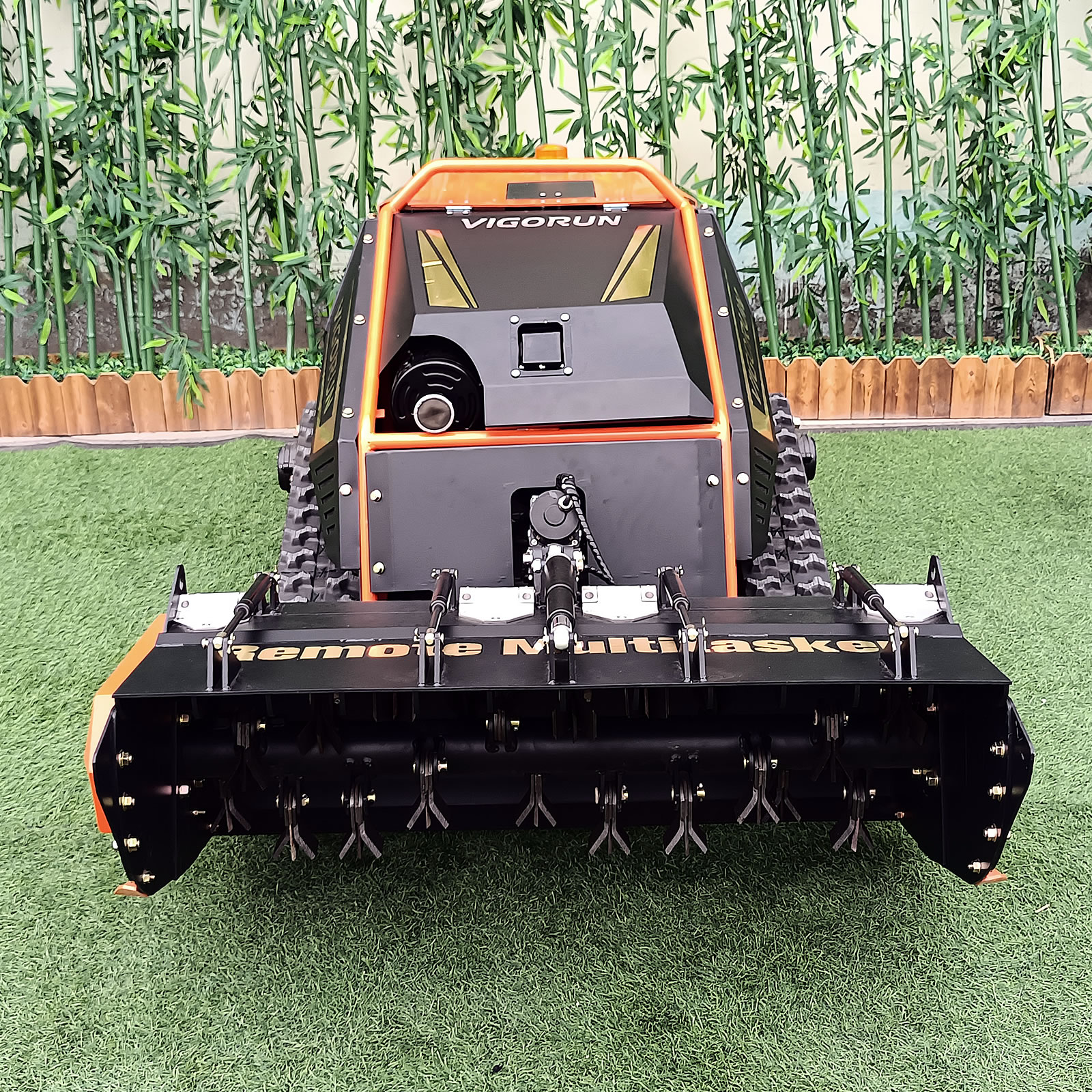 The gasoline electric hybrid powered zero turn versatile remote control slasher mower is engineered for multi-functional use. Its interchangeable front attachments include options like a 1000mm-wide flail mower, hammer flail, forest mulcher, angle snow plow, and snow brush. This adaptability makes it perfect for heavy-duty grass cutting, shrub and bush clearing, vegetation management, and snow removal.
With a high reduction ratio worm gear reducer, the mower multiplies the already impressive torque generated by the servo motors. This feature ensures immense output torque, allowing the machine to climb steep slopes effortlessly. Moreover, in a power-off state, the friction between the worm and gear provides mechanical self-locking, preventing any downhill sliding during power loss.
The intelligent servo controller plays a critical role in regulating motor speed effectively and synchronizing the left and right tracks. This technology enables the mower to maintain a straight path without constant adjustments from the operator, reducing workload and minimizing risks associated with overcorrection on steep slopes.
The gasoline electric hybrid powered zero turn versatile remote control slasher mower is engineered for multi-functional use. Its interchangeable front attachments include options like a 1000mm-wide flail mower, hammer flail, forest mulcher, angle snow plow, and snow brush. This adaptability makes it perfect for heavy-duty grass cutting, shrub and bush clearing, vegetation management, and snow removal.
With a high reduction ratio worm gear reducer, the mower multiplies the already impressive torque generated by the servo motors. This feature ensures immense output torque, allowing the machine to climb steep slopes effortlessly. Moreover, in a power-off state, the friction between the worm and gear provides mechanical self-locking, preventing any downhill sliding during power loss.
The intelligent servo controller plays a critical role in regulating motor speed effectively and synchronizing the left and right tracks. This technology enables the mower to maintain a straight path without constant adjustments from the operator, reducing workload and minimizing risks associated with overcorrection on steep slopes.
 Additionally, compared to many competing models that utilize 24V systems, this mower’s 48V configuration results in lower current flow and heat generation. This not only extends continuous operation but also reduces overheating risks, ensuring stable performance during prolonged mowing tasks on slopes.