Table of Contents
Innovative Power and Performance
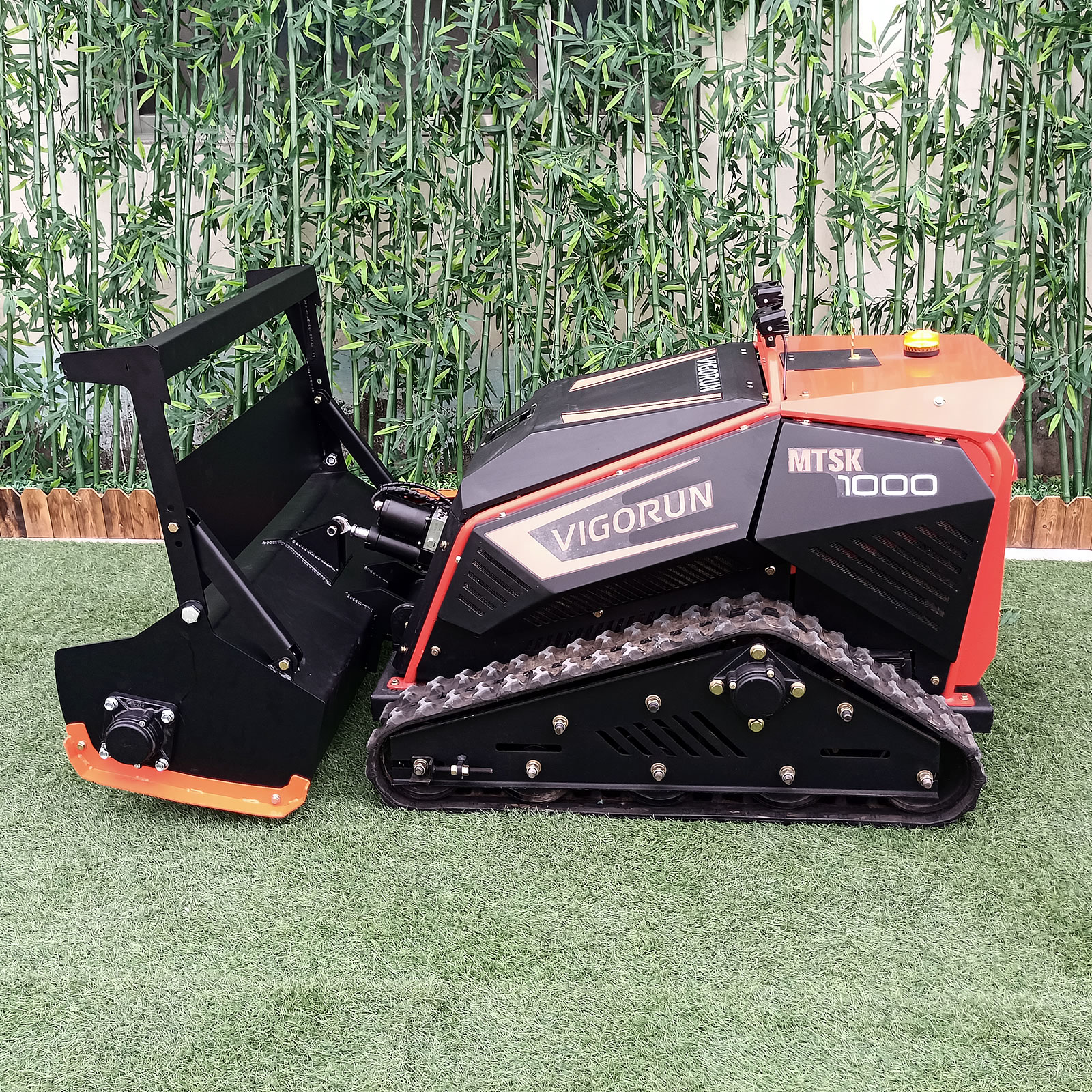
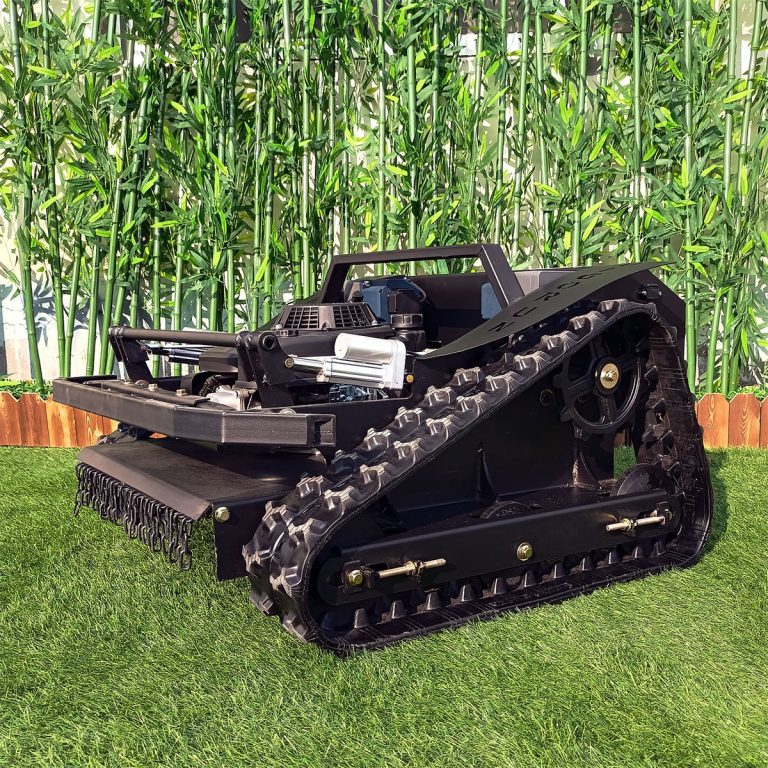
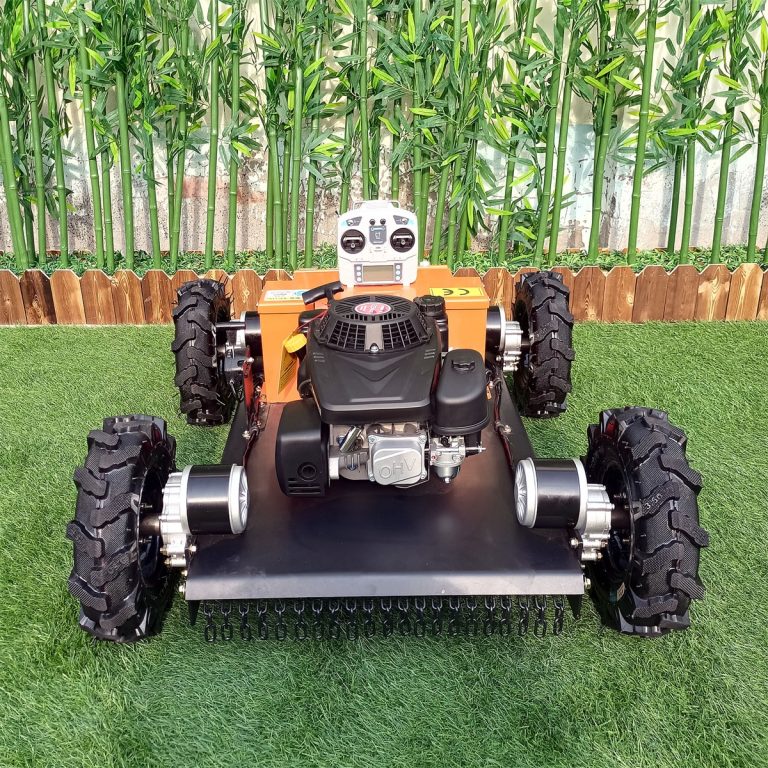
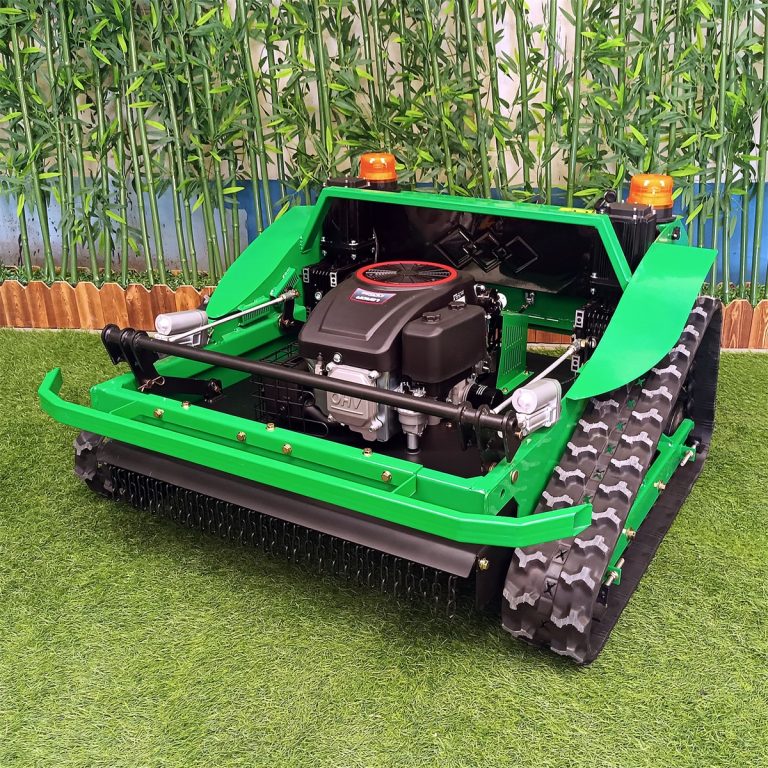
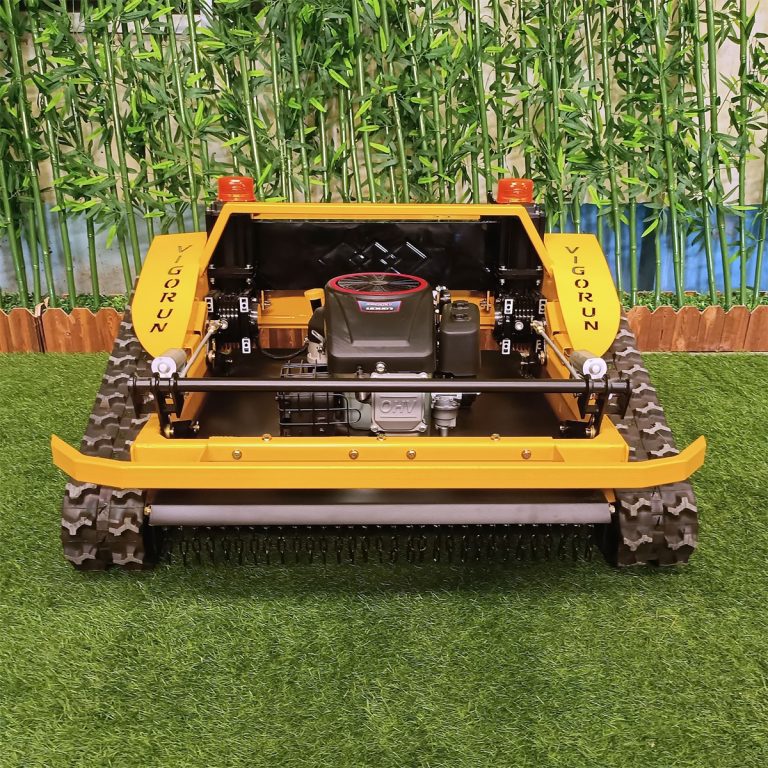
 The EPA approved gasoline engine adjustable blade height by remote control crawler remote control flail mulcher is powered by a high-performance V-type twin-cylinder gasoline engine. Specifically, it utilizes the Loncin brand’s model LC2V80FD, which boasts a rated power output of 18 kW at 3600 rpm. With a robust 764cc engine capacity, this machine delivers exceptional performance, ensuring that it can tackle a variety of challenging tasks with ease.
Equipped with a clutch that engages only when the engine reaches a predetermined rotation speed, this mulcher provides efficient power management. This feature ensures that operators can maximize productivity while minimizing wear on the engine. The combination of strong output and intelligent design allows for effective operation in demanding environments, making it a reliable choice for professionals in need of heavy-duty equipment.
Additionally, the machine is designed with safety and control in mind. The built-in self-locking function guarantees that the mulcher remains stationary when there is no throttle input, effectively preventing unintended movements. This enhances operational safety, particularly when working on slopes or uneven terrain, where control is paramount.
The EPA approved gasoline engine adjustable blade height by remote control crawler remote control flail mulcher is powered by a high-performance V-type twin-cylinder gasoline engine. Specifically, it utilizes the Loncin brand’s model LC2V80FD, which boasts a rated power output of 18 kW at 3600 rpm. With a robust 764cc engine capacity, this machine delivers exceptional performance, ensuring that it can tackle a variety of challenging tasks with ease.
Equipped with a clutch that engages only when the engine reaches a predetermined rotation speed, this mulcher provides efficient power management. This feature ensures that operators can maximize productivity while minimizing wear on the engine. The combination of strong output and intelligent design allows for effective operation in demanding environments, making it a reliable choice for professionals in need of heavy-duty equipment.
Additionally, the machine is designed with safety and control in mind. The built-in self-locking function guarantees that the mulcher remains stationary when there is no throttle input, effectively preventing unintended movements. This enhances operational safety, particularly when working on slopes or uneven terrain, where control is paramount.

Versatile Functionality and User-Friendly Features
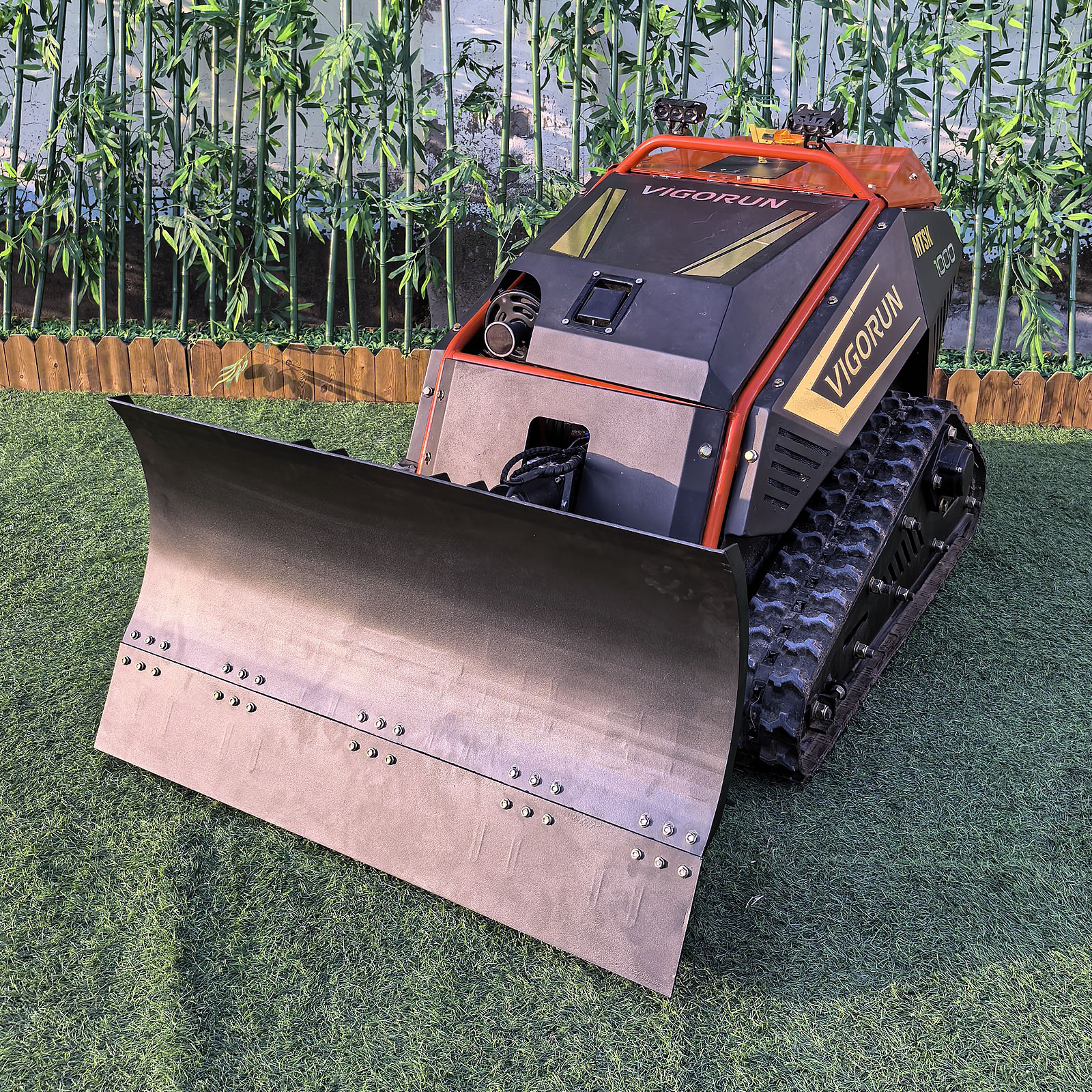
 The EPA approved gasoline engine adjustable blade height by remote control crawler remote control flail mulcher stands out with its innovative features, including electric hydraulic push rods that facilitate remote height adjustments for attachments. This capability allows operators to easily customize the blade height according to the specific requirements of their tasks, enhancing versatility in various applications.
Furthermore, the intelligent servo controller precisely regulates motor speed and ensures synchronization between the left and right tracks. This advanced feature enables the mulcher to maintain a straight path without the need for constant adjustments from the remote control, significantly reducing operator workload. It also minimizes the risk of overcorrection, especially when navigating steep slopes, contributing to safer and more efficient operations.
The EPA approved gasoline engine adjustable blade height by remote control crawler remote control flail mulcher stands out with its innovative features, including electric hydraulic push rods that facilitate remote height adjustments for attachments. This capability allows operators to easily customize the blade height according to the specific requirements of their tasks, enhancing versatility in various applications.
Furthermore, the intelligent servo controller precisely regulates motor speed and ensures synchronization between the left and right tracks. This advanced feature enables the mulcher to maintain a straight path without the need for constant adjustments from the remote control, significantly reducing operator workload. It also minimizes the risk of overcorrection, especially when navigating steep slopes, contributing to safer and more efficient operations.