Table of Contents
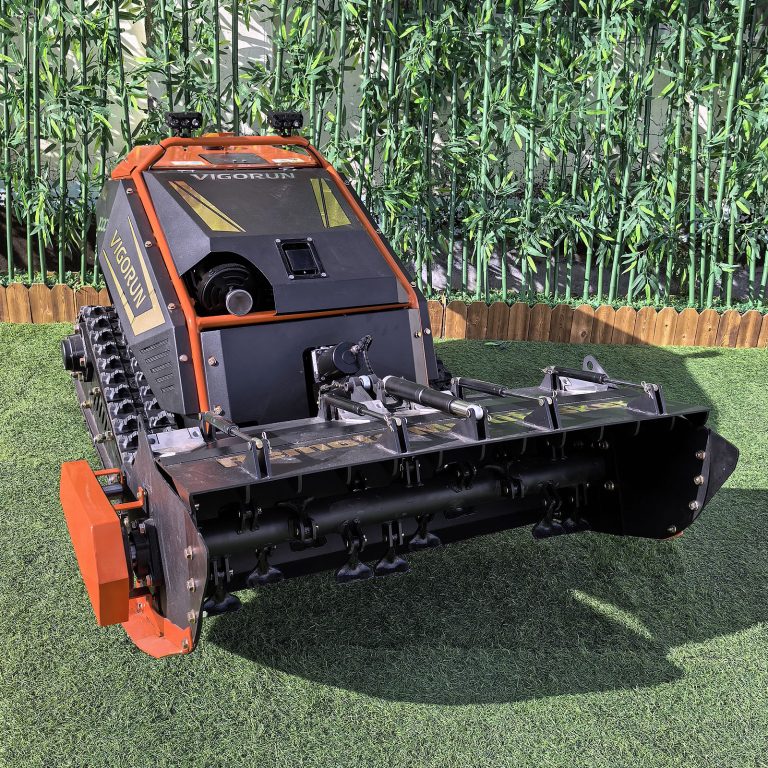
Features of the EPA Approved Gasoline Engine Low Power Consumption Crawler Radio Controlled Forestry Mulcher
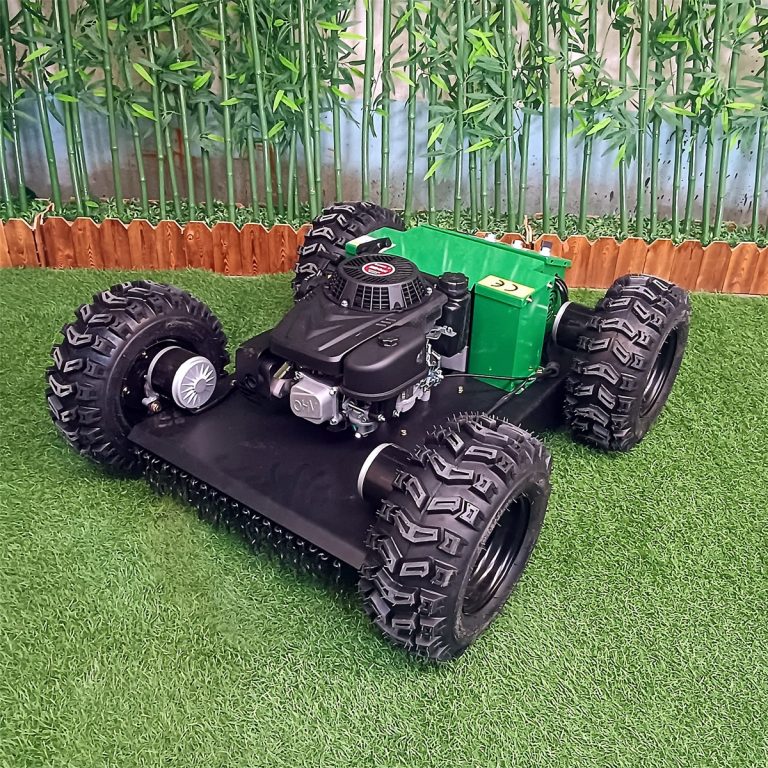
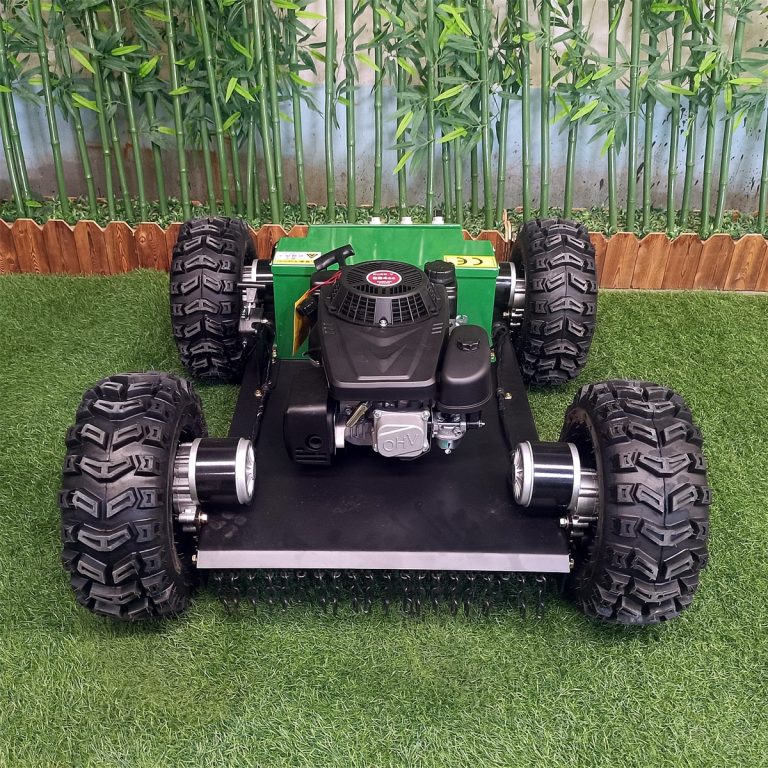
The EPA approved gasoline engine low power consumption crawler radio controlled forestry mulcher is a remarkable machine that combines efficiency with advanced technology. This model is powered by a V-type twin-cylinder gasoline engine, specifically the Loncin brand, model LC2V80FD. With a rated power of 18 kW at 3600 rpm, this 764cc engine provides strong performance tailored for demanding forestry tasks.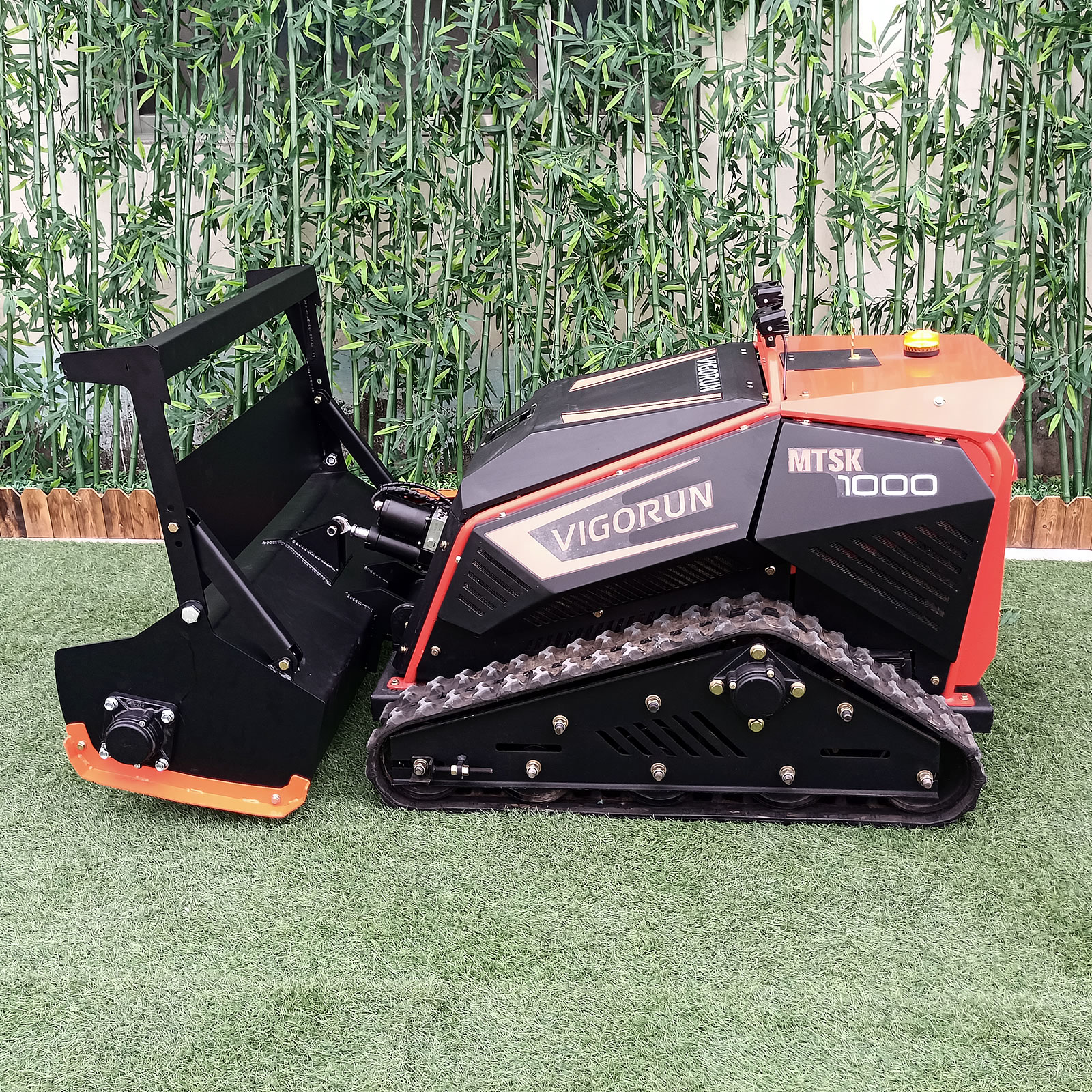
Versatility and Performance of the EPA Approved Gasoline Engine Low Power Consumption Crawler Radio Controlled Forestry Mulcher
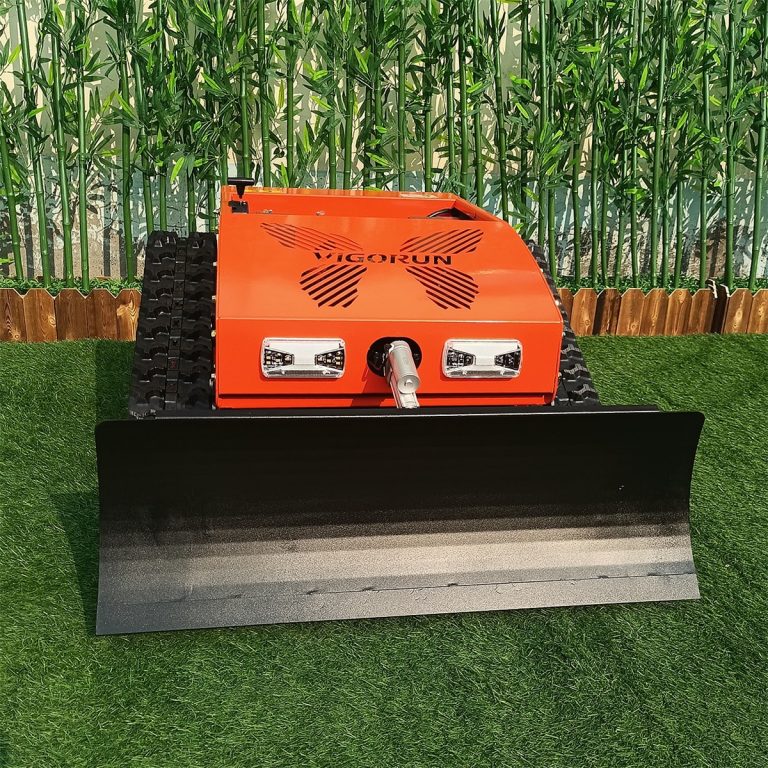
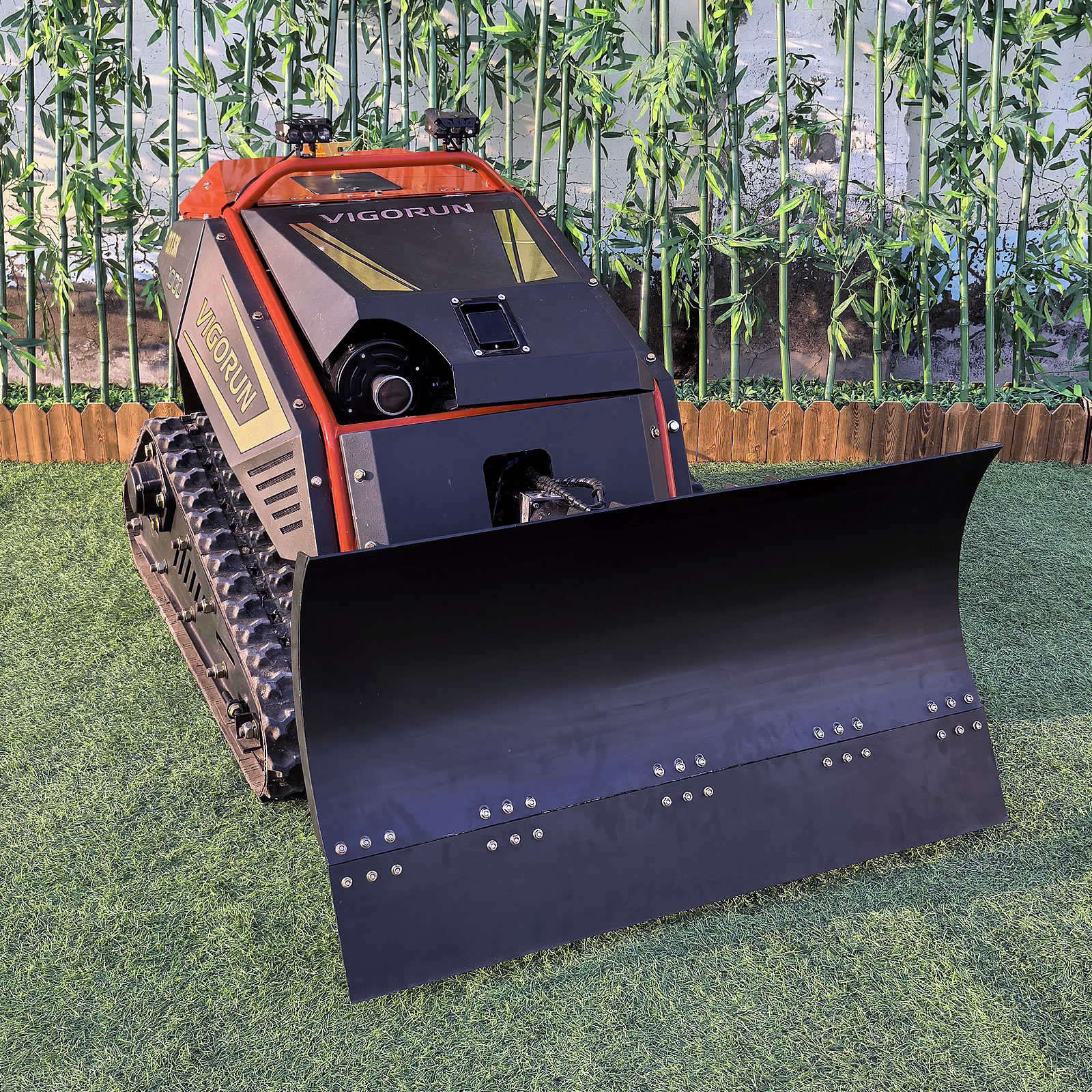
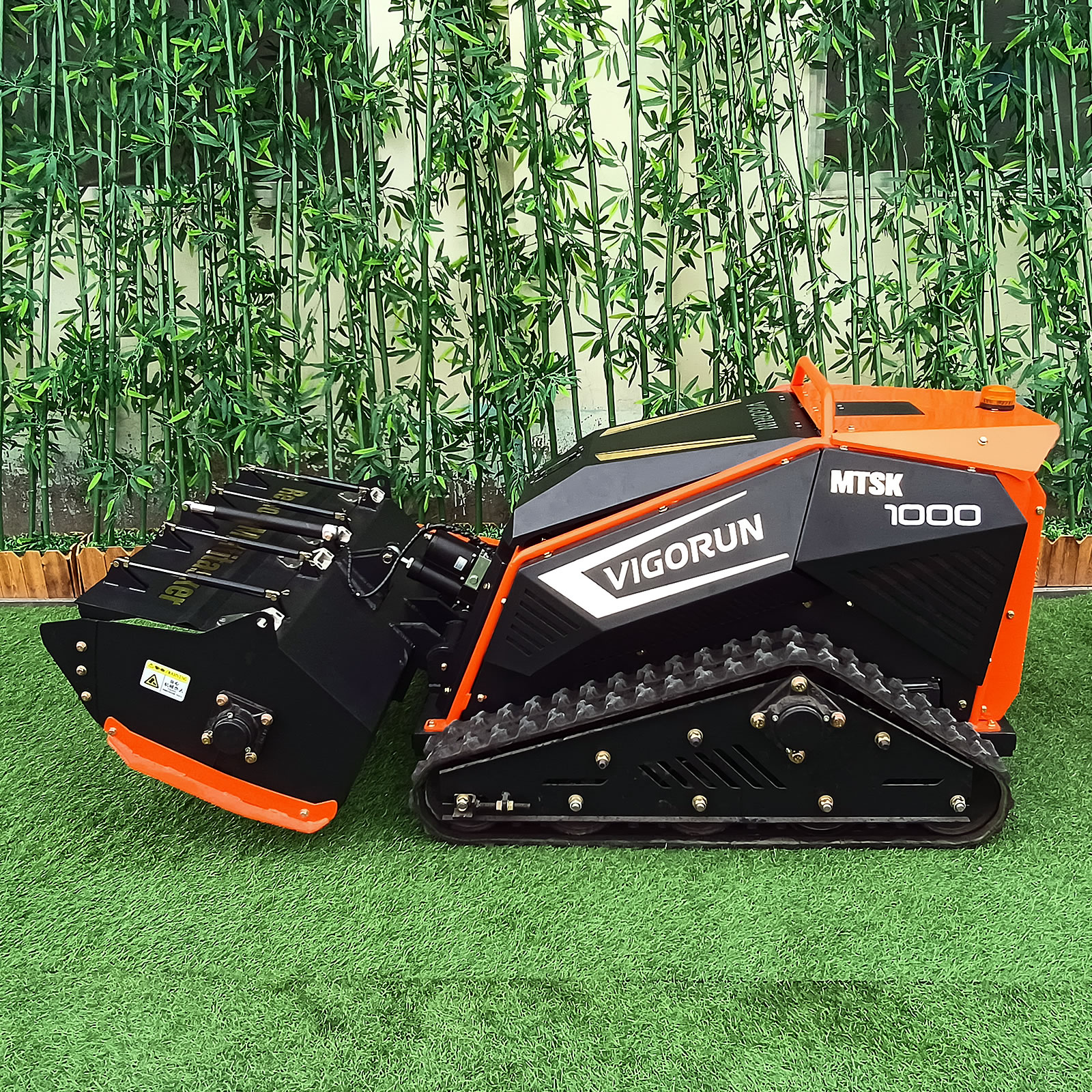 The innovative design of the EPA approved gasoline engine low power consumption crawler radio controlled forestry mulcher allows for multi-functional use, making it an invaluable addition to any forestry operation. With interchangeable front attachments, this machine can adapt to various tasks, including heavy-duty grass cutting, shrub and bush clearing, vegetation management, and even snow removal.
 The mower can be fitted with a 1000mm-wide flail mower, hammer flail, forest mulcher, angle snow plow, or snow brush, providing outstanding performance in diverse conditions. This versatility ensures that operators can efficiently handle different types of work without needing multiple machines, thereby optimizing operational costs and time.
 Moreover, the intelligent servo controller plays a crucial role in enhancing the mulcher’s performance. It precisely regulates motor speed and keeps the left and right tracks synchronized, allowing for straight-line travel without constant adjustments from the remote control. This capability significantly reduces operator workload and minimizes the risks associated with overcorrection, especially on steep slopes.
In comparison to many competing models that utilize 24V systems, this unit’s 48V configuration offers advantages in terms of efficiency. The higher voltage reduces current flow and heat generation, enabling longer continuous operation while minimizing overheating risks. This stability is particularly beneficial during extended mowing tasks on slopes, ensuring consistent performance and reliability.
Moreover, the intelligent servo controller plays a crucial role in enhancing the mulcher’s performance. It precisely regulates motor speed and keeps the left and right tracks synchronized, allowing for straight-line travel without constant adjustments from the remote control. This capability significantly reduces operator workload and minimizes the risks associated with overcorrection, especially on steep slopes.
In comparison to many competing models that utilize 24V systems, this unit’s 48V configuration offers advantages in terms of efficiency. The higher voltage reduces current flow and heat generation, enabling longer continuous operation while minimizing overheating risks. This stability is particularly beneficial during extended mowing tasks on slopes, ensuring consistent performance and reliability.